





Karmic Views Around Lucky Jet Game in UK Culture

Gambling and superstitious beliefs frequently clash, and the UK’s landscape for online crash games like Lucky Jet presents a clear example https://lucky-jet.co.uk/. In essence, Lucky Jet is a game of chance, driven by Random Number Generators. Yet many players view their gaming journey in larger notions, notably karma. Viewed through a modern Western framework, they sense their own actions and personal values can affect the game’s unpredictable results. For them, Lucky Jet stops being a mere mathematical puzzle. It turns into a tale about universal balance. A ‘good’ day could mean the jet flies to a high multiplier. A ‘bad’ deed could cause it crash prematurely. This piece looks at how these karma-focused notions have seeped into the UK’s Lucky Jet scene. We will explore where they come from, how they appear, and the mental comfort they provide in a online environment full of uncertainty.
Player Rituals and Ritualistic Actions
You can observe karmic belief in the Lucky Jet community through distinct rituals. These are approaches players try to align with positive karma or remove bad energy before or during a session. They act as psychological warm-ups, fostering a feeling of earned success. The rituals go further simple lucky charms. They often include deliberate acts meant to create ‘good vibes’ or moral credit. For example, some players will do a small kindness just before logging in. They might send a charity donation online or compliment a stranger. They feel this act puts credit into a karmic bank. Others might clean their physical space thoroughly or spend time to meditate. The goal is to enter the game with a clear, positive, and therefore ‘deserving’ mind.
- The Clean Slate Ritual: Players might settle small debts, reply to old messages, or stop a petty argument before playing. This metaphorically clears the karmic books.
- Environmental Purification: Cleaning the gaming area, using sage or incense, or setting out lucky crystals are thought to eliminate negative energy that could cause an early crash.
- Timing Based on Conduct: Choosing to play only on days felt as ‘good’ or virtuous. They steer clear of playing after a day full of frustration or anger, concerned that negativity will turn into loss.
- The Generosity Link: Purposefully giving a tiny part of a past win to charity. This is seen as an investment for future karmic returns in the game.
The concept of Karma: Eastern teachings encounters UK Gaming
Karma is a doctrine from Dharmic faiths like Hinduism and Buddhism. It is a moral law of cause and effect. Historically, it addresses the ethical results of actions across many lifetimes, shaping what comes next. In the secular, quick-fire world of UK online gaming, this idea has evolved. It has been simplified to a more immediate, almost deal-making belief. The thought is that positive personal behaviour or thinking can lead to good results in Lucky Jet. Negativity, on the other hand, brings loss. This version divests karma of its religious depth and its ties to rebirth. It turns karma into a universal force for fairness that works right now. This shift responds to a human craving for story and justice, even inside systems built to be random. It lets players place their gaming within a personal moral frame that feels meaningful.
Moving from Spiritual Doctrine to Modern Metaphor
This cultural shift turns karma from a strict spiritual teaching into an everyday metaphor for luck. In the UK, where different cultural ideas mix easily, karma has joined common talk. It often separates from its deep religious origins. People use it in daily chat to say someone “got what they deserved,” for better or worse. This everyday understanding builds a perfect bridge into gaming. Picture a player hits a winning streak on Lucky Jet after they helped a neighbour. They might naturally link the two events. They use the modern karmic metaphor to explain the randomness. This establishes a personal superstition that seems intuitive and culturally okay. It stands right beside other common luck rituals, without asking for any serious religious belief.
Scepticism and the Logical Counterpoint
Of course, many UK gamblers and observers greet these karmic notions with intense doubt. The reasoned view is based in understanding of programming and probability. Lucky Jet’s verdict gets determined in by a cryptographic system the point a session starts. It has zero relation to any user’s notions, feelings, or deeds. From this perspective, linking successes or losses to karma is a typical example of the post-hoc misconception. That means confusing sequence for consequence. Critics say such ideas can turn harmful. They could result to risky behavior, like pursuing deficits to “fix” imagined karmic burden, or assuming you have additional influence than you do. This push-and-pull between supernatural story and mathematical truth is a central debate in the title’s culture. Many participants exist somewhere between the two poles. They may do minor practices for fun, while deep down understanding luck is the real engine.
Looking at karma ideas around Lucky Jet in UK culture shows us how an age-old spiritual notion gets reimagined for a contemporary digital pastime. It does not function as a full religious practice. Alternatively, it acts as a personal framework for storytelling, command, and managing emotions. These ideas let gamblers pour deep private meaning into a mathematical sequence. They transform gameplay into a epic of moral reason and result. The logical comprehension of random number generation opposes solidly. Yet these ideas persist. Their endurance indicates how profoundly people seek to find structures, justice, and subjective sway, even in arenas constructed to be unpredictable. Regardless of how you view it as a harmless mental comfort or a cognitive bias, the whole event shows how cultural customs change. They blend custom, mentality, and tech in contemporary gaming world.
The story of “Merited” Triumphs and Defeats
Karmic belief has a key job: it creates a powerful tale around triumphs and defeats. It turns cold statistical events into stories with moral cause and effect. A gamer using this system who prevails will often attribute the triumph not just to timing or fortune, but to their own favorable mindset or recent good behaviors. This boosts their feeling of control and capability. On the flip hand, a defeat often gets interpreted as a karmic disruption. Maybe they were too selfish last time. Maybe they played while in a terrible state. This story acts as a cushion. It softens the sting of forfeiting money by situating it inside a larger, self-correcting story of universal equity. It makes a possibly irritating event into a insight. The gamer determines they must “deserve” the following triumph through better behaviour or outlook. This initiates a loop where gameplay and perceived personal growth intertwine together.
Community Storytelling and Reinforcement
These narratives get strong support in online communities and forums where UK Lucky Jet participants assemble. Exchanged tales of “karmic wins” after a good deed, or alerts about setback following a mean act, become element of the collective’s folklore. This group tale-telling renders the faith system normal. It provides social validation and validation. A participant tells how they won big after helping a friend. Others reply with similar tales. This forms a perceived trend that appears statistically solid, even though chance is the overwhelming factor. This community strengthening is key for sustaining karmic faiths alive. It shifts them from a personal peculiarity to a shared cultural custom inside the gaming community. It offers a sense of inclusion and mutual understanding.
Comparison to Traditional Gambling Superstitions
Karma beliefs in Lucky Jet mark a change from older UK gambling superstitions. Classic superstitions entail things like carrying a rabbit’s foot, avoiding the colour green, or blowing on dice. These are typically symbolic, tactile, and focused on immediate, in-the-moment luck. They are outward charms. Karma belief is dissimilar. It is inner and ethical. It is not as much about a physical object and centered on the player’s overall moral or emotional state over a more extended stretch. A traditional gambler might tap on wood. A karma-focused Lucky Jet player might reflect on how they conducted themselves all week. This change mirrors a larger cultural move towards mindfulness and self-improvement, even in leisure. It mixes the world of chance with the language of wellness and purpose. It offers a kind of superstition that feels more intellectually weighty and personally responsible to a modern player.
Mental Underpinnings: Control and Managing
Embracing karma convictions taps into basic psychological necessities. The main aspects are the need for command and a method to cope. Gambling games like Lucky Jet are erratic and uncontrollable by intent. This unpredictability can produce worry and mental discomfort. To remedy this, the human mind hunts for regularities and cause-and-effect connections, a phenomenon called illusory connection. Having faith in karma allows a player to apply a familiar, rule-based structure onto a fundamentally rule-free random event. The guideline is basic: good deed leads to good outcome. This illusion of mastery lessens anxiety. It turns gaming more entertaining and less of a mental burden. Additionally, it functions as an emotional buffer. A setback ascribed on your own karmic debt is oddly less difficult to handle than a setback blamed on absolute, pointless randomness. The first indicates the universe has organization and you can alter future results by bettering yourself.
The function of game mechanics and “Fair Play” Communication
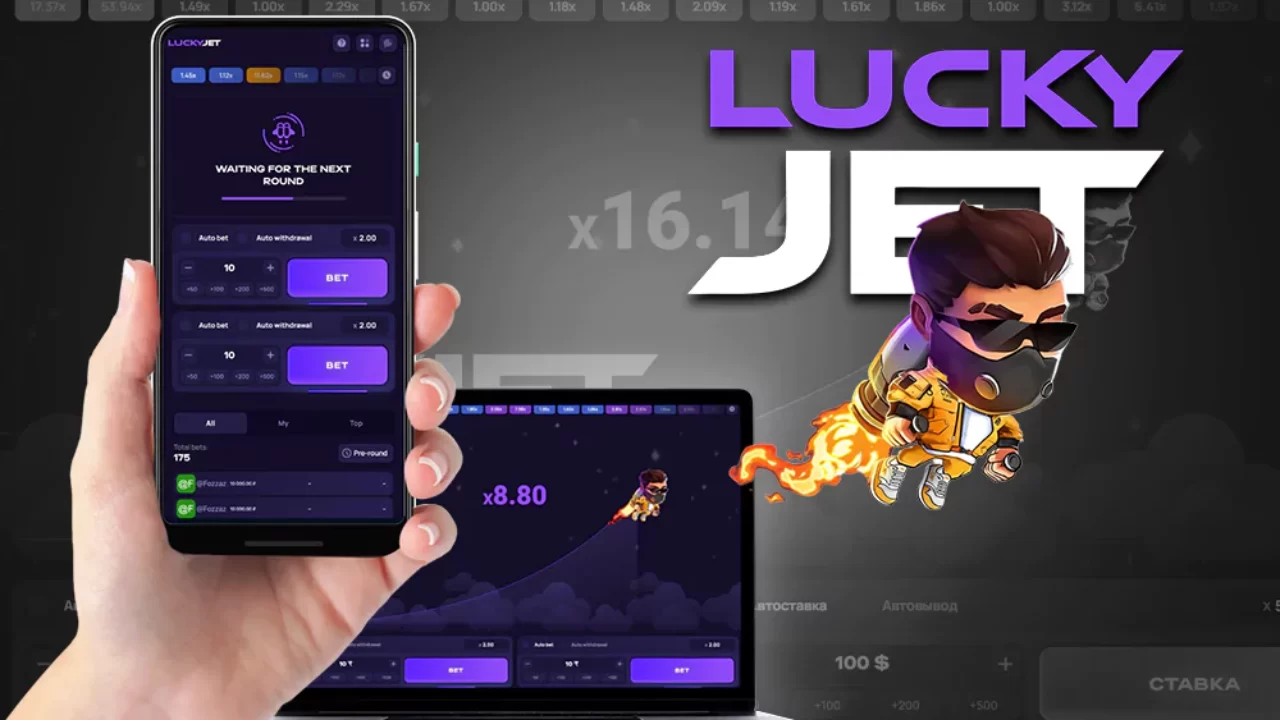
The design and marketing of Lucky Jet and analogous websites can subtly encourage karmic understandings, though that is not the goal. They stress words like “fair play,” “transparent algorithms,” and “provably fair” systems. These terms are designed to reassure players of the game’s integrity. But some players expand that concept. They conflate mathematical equity with a greater feeling of cosmic justice. If a game is portrayed as mathematically fair, it is a small mental leap for some to think a just universe should also compensate personal virtue. Also, the visual theme of a crash game helps. The jet ascending higher symbolizes achievement. This effortlessly connects to images of ascending, prize, and falling down. The game’s inherent tale of generating pressure and a sudden halt gives a ideal blank page. Players project their own karmic tales onto it. They see the crash not as a random number, but as a point of assessment that matches their personal story.